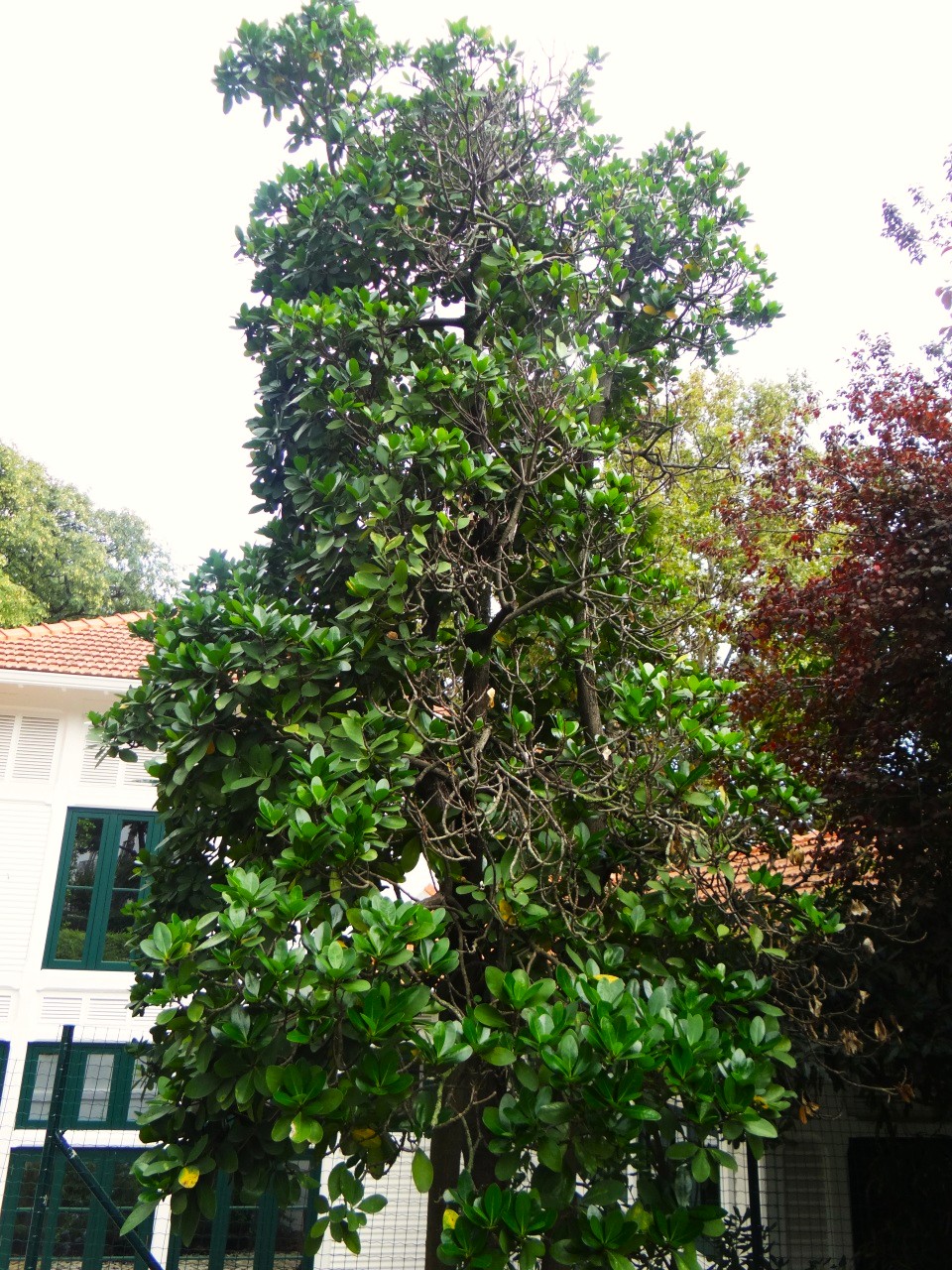
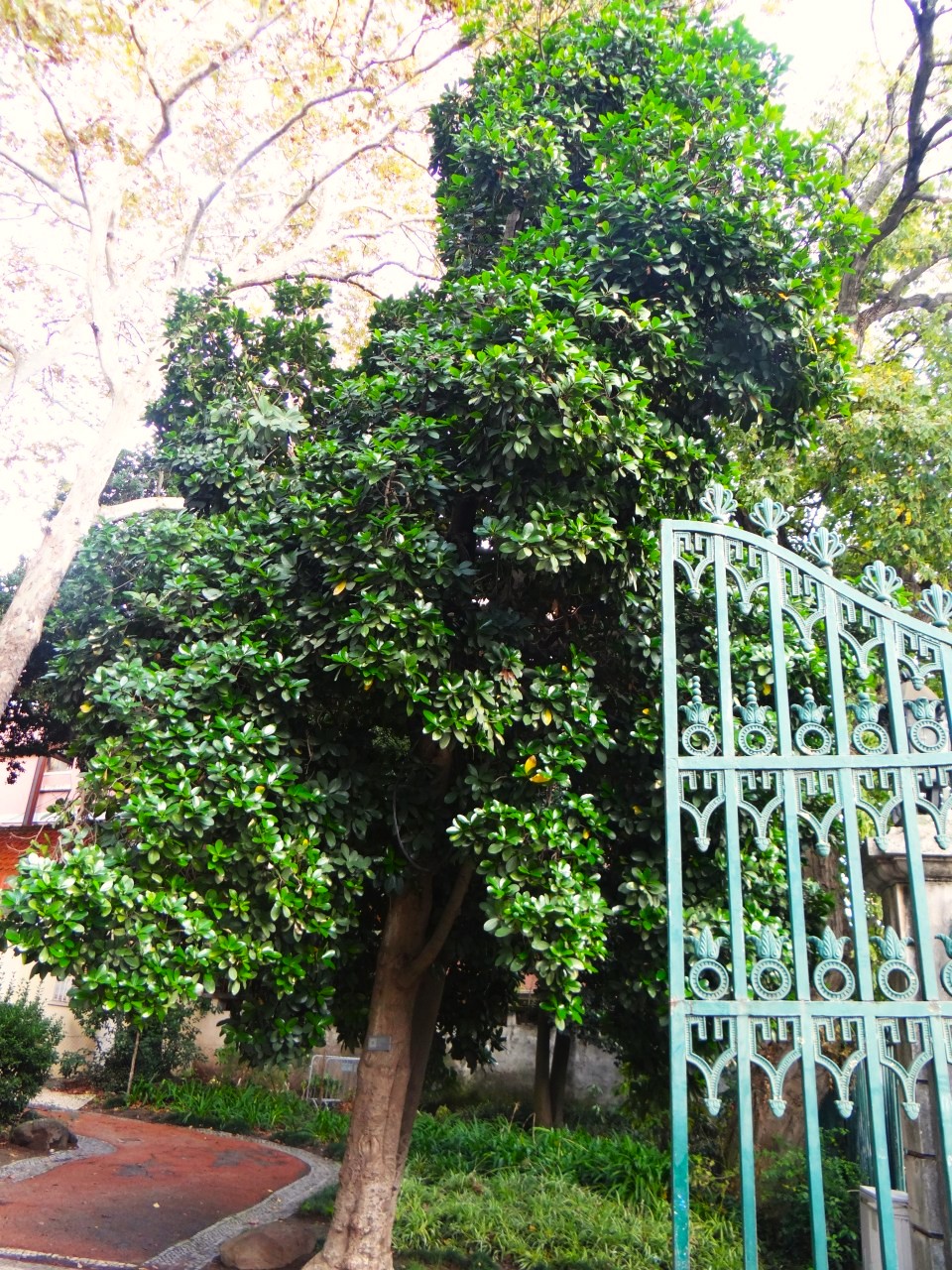
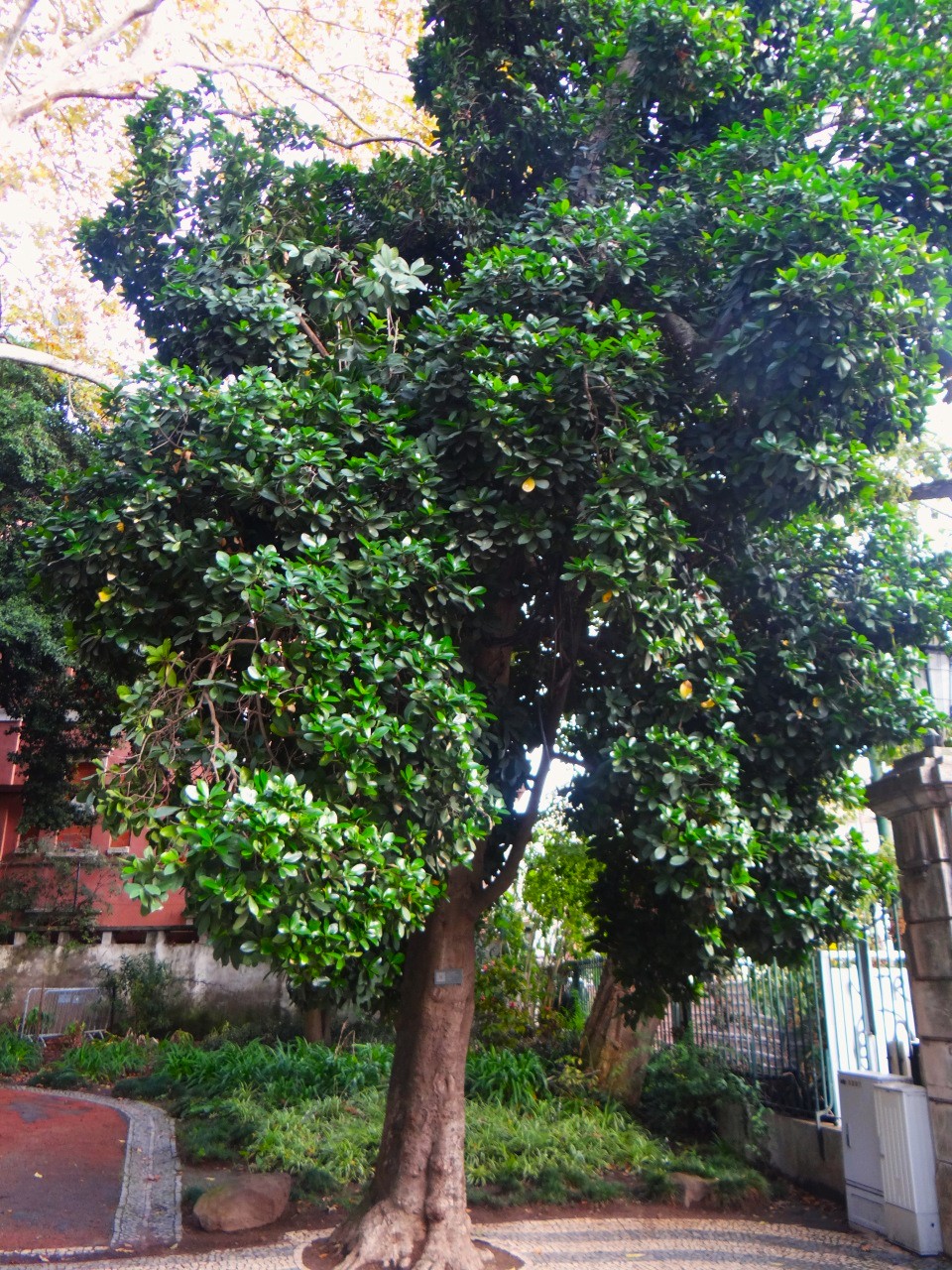
Slow-growing evergreen tree.
Corynocarpus laevigatus
Vernacular name:
karaka ou laurier de Nouvelle-Zélande
Famille:
Corynocarpaceae
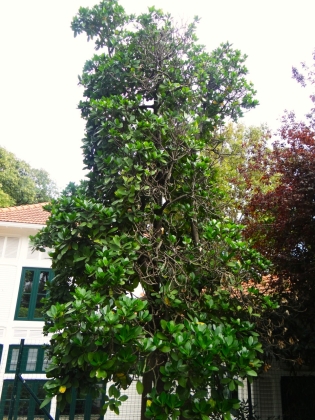
Les jardins du Florilège

Les jardins du Florilège
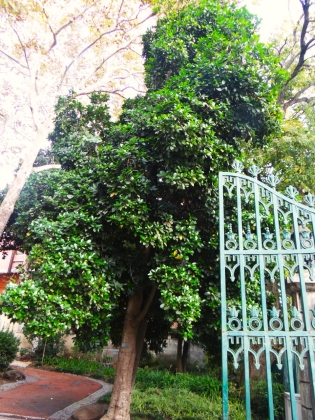
Les jardins du Florilège
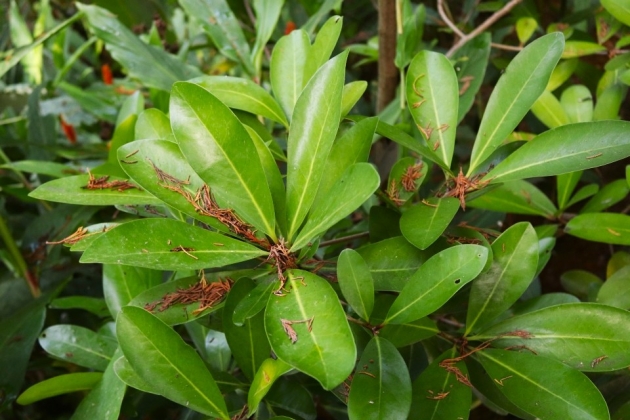
olivier van Sante
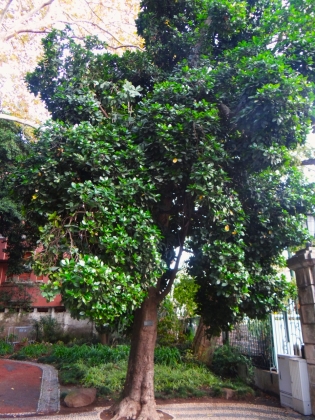
Les jardins du Florilège
Classification
Trees and shrubsLeaf color
- Green
Flower color
- Green
Size
10 to 15m
2 to 5m
Ornamental interest
- Evergreen
Garden use
- Isolated
GENERAL DESCRIPTION
- ORIGIN: This plant is native to the coastal and lowland forests of the North Island of New Zealand, as well as coastal areas of the northern third of the South Island and the Kermadec and Chatham Islands.
- CLIMATE: Withstands temperatures down to -7-4 °C.
- EXPOSURE: Sun - Partial shade. It tolerates coastal conditions well and, thanks to its dense growth.
- GROUND: Light - Medium - Heavy. PH 6-7.
- GROWTH: Average.
- PATHOLOGYE:
- MULTIPLICATION:
- PRUNING:
- USE: It is often planted as an ornamental tree, but it has become an invasive species in some areas due to its prolific seedling growth and ability to outcompete native vegetation. It makes an excellent potted plant.
- MERIT:
GENERAL PHYSIOLOGY
- DIMENSIONS: It can reach a height of 15 meters.
- PORT: Narrow and upright.
- TRUNK:
- BARK:
- BRANCHES :
- NOTE: Maori folklore tells how this plant was introduced to New Zealand, but as it is not found anywhere else, this story is now considered an unfounded legend and the plant is believed to be native to New Zealand.
PHYSIOLOGY OF LEAVES
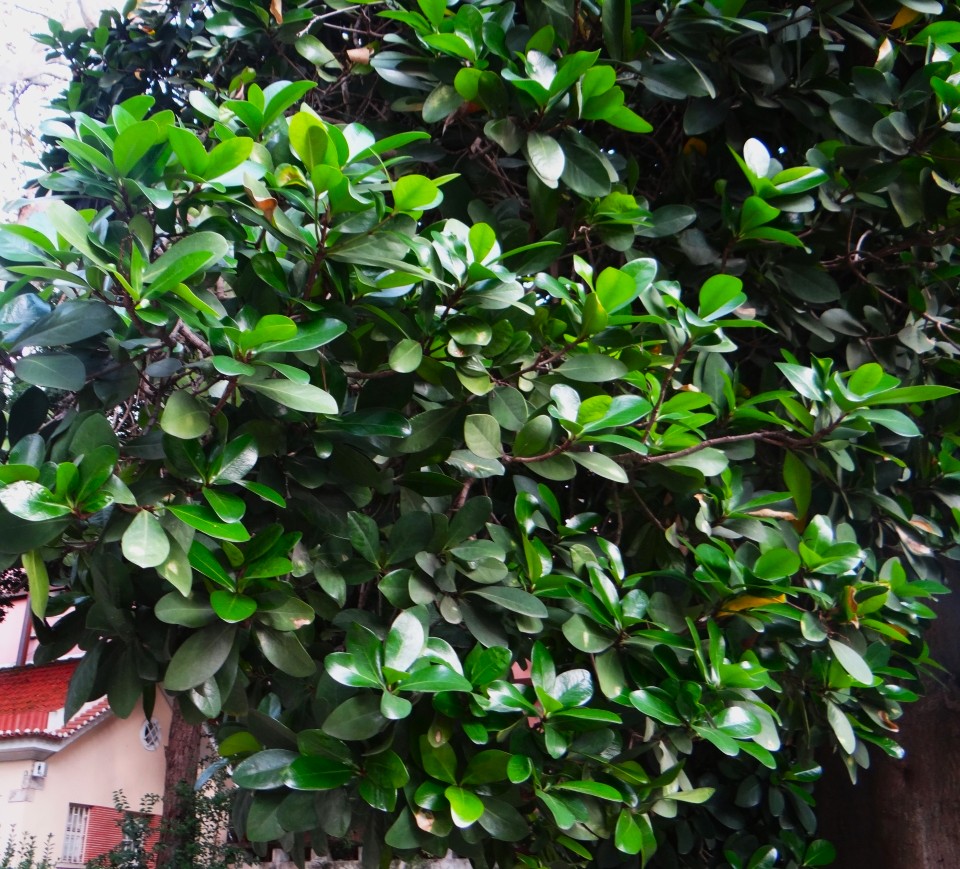
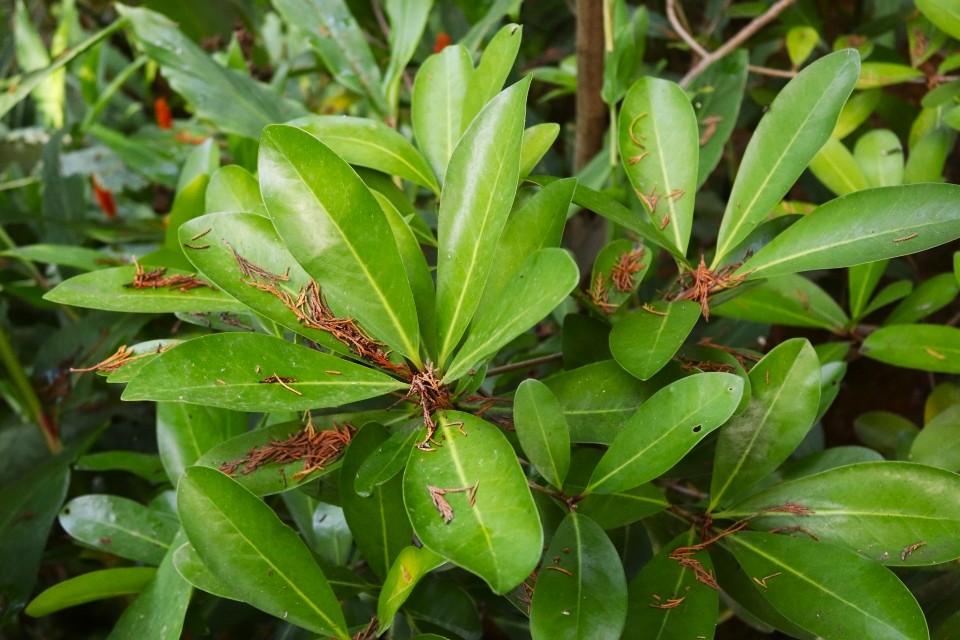
- SHAPE: The leaves are oval, leathery and glossy, about 5 to 15 cm long.
- COLOR: Green.
- NOTE: Evergreen leaves.
PHYSIOLOGY OF FLOWERS
- PERIOD: Flowering takes place in spring (September-November in the southern hemisphere)
- FORM: The flowers are small. Grouped in panicles.
- COLOUR: Greenish.
- NOTE:
PHYSIOLOGY OF FRUIT
- SHAPE: The fruits are oval drupes, 2 to 4 cm long.
- COLOUR: Bright orange to red.
- SEEDS :
- NOTE: Karaka is primarily cultivated for its edible fruit after preparation. The raw seeds are toxic and must be processed (steaming or boiling, followed by drying) to remove the karakin toxin. The oil extracted from the fruit is also edible.
- SEASON: The fruits ripen in summer and autumn (February-April in the southern hemisphere).